
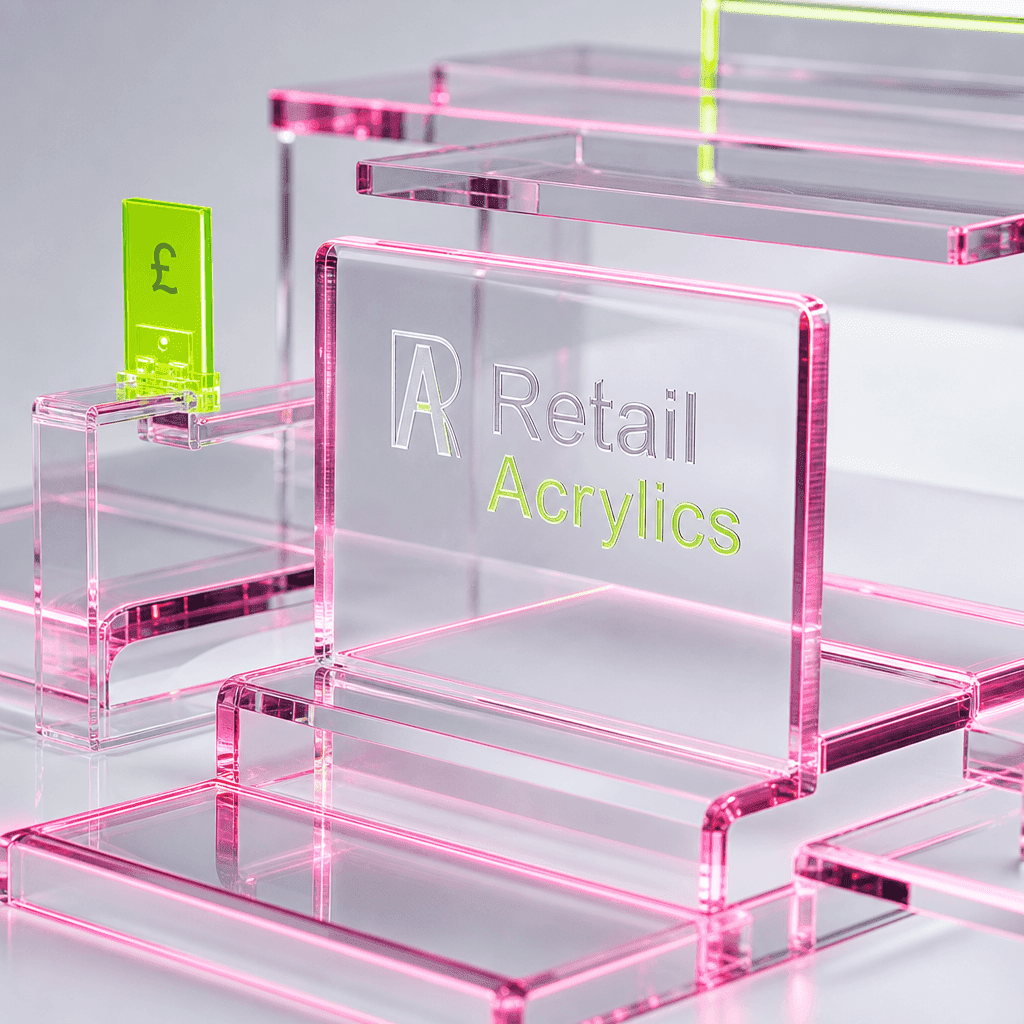
Stock changes. Seasons shift. Promotions come and go. For anyone managing a retail space or commercial display environment, the challenge of keeping your visual merchandising looking sharp while your product range constantly evolves is a real operational headache. Investing in a display setup that becomes redundant the moment you update your inventory is not just frustrating — it is genuinely costly.
That is where modular product stand systems earn their place. Rather than locking you into a fixed configuration, a well-chosen modular approach gives you the ability to reconfigure, expand, or scale back your displays without starting from scratch every time.
What Makes a Display System Truly Modular
The term "modular" gets used loosely, but the core principle is straightforward: individual components that work independently and in combination. When you are selecting product stands and display solutions for a changing stock environment, you want pieces that:
- Serve multiple product types without requiring bespoke adjustments each time
- Stack or layer to create varied height profiles from a single product range
- Work alongside other components such as pedestals, trays, and display cases
Acrylic is particularly well-suited to this kind of system. It is lightweight enough to reconfigure frequently, durable enough for daily commercial use, and visually neutral so it does not compete with whatever product you are displaying on a given week.
Using Height Variation to Control Visual Flow
One of the most underused tools in retail display is height variation. A flat arrangement of products at the same level draws very little attention. Introducing multiple heights immediately creates a focal point and guides the eye across a display.
Pedestals and plinths are the most direct way to achieve this. Our range runs from 30cm right up to 120cm high, and they are available in a selection of colours to suit different retail aesthetics. If you are displaying premium goods — jewellery, tech accessories, cosmetics, sports memorabilia — elevating individual hero products on a plinth while surrounding items sit at counter level creates a clear visual hierarchy without any complicated setup.
The practical advantage for a changing-stock environment is that pedestals are freestanding. You can move them, group them differently, or swap out what sits on top without any structural commitment. A 90cm white acrylic pedestal that displays a fragrance one month can just as easily showcase a new product launch the following month.
Layering with Steps, Bridges, and Risers
For displays that need to show a range of products simultaneously rather than a single hero item, stepped and tiered configurations make a significant difference. Steps and bridges allow you to arrange multiple products at graduated heights within a compact footprint.
This is particularly useful for:
- Retail shelving inserts where you want to make the most of existing shelf space
- Counter displays showing complementary products together
- Trade show and event setups where a professional finish matters and quick reconfiguration is necessary
Because these components are separate units rather than fixed shelving, swapping out one tier or rearranging the configuration between product updates takes minutes rather than hours.
Display Cases and Lockable Options for Higher-Value Stock
Not every product can sit openly on a plinth. For higher-value items, or products that benefit from a contained, dust-free environment, clear acrylic display boxes and lockable display cases are a core part of any modular system.
A clear acrylic display box gives full 360-degree visibility while keeping the product protected. Lockable options add a security layer that is essential for retail environments displaying collectibles, electronics, or other items where shrinkage is a concern. Our sports memorabilia cases, for instance, are built specifically for items like boxing gloves or signed merchandise where presentation and protection carry equal weight.
The modular logic applies here too. A display case sitting on a pedestal creates a specific kind of premium presentation. The same case moved to a counter-level position within a stepped arrangement creates something different. The components remain the same; the configuration does the work.
Trays and Organising Components for Smaller Products
Smaller SKUs present a different challenge. Products like accessories, cosmetics samples, or small retail goods need organisation within a display, not just elevation above it. Acrylic trays with and without lids provide a clean solution for grouping smaller items coherently.
A tray with a lid also solves the perpetual retail problem of keeping stock looking presentable between customer interactions. Items stay in position, the display remains orderly, and the overall presentation holds up through a busy trading day without constant intervention.
The Role of Branded and Printed Acrylic
When stock changes frequently, your brand identity becomes the consistent thread that holds a display together visually. One practical way to maintain that consistency is through in-house printed acrylic products. Adding your logo or a campaign graphic directly to display components means the display itself carries your branding regardless of what product sits on it at any given time.
We offer an in-house print service that applies logos and imagery directly to acrylic products. For businesses running seasonal promotions, this means you can update messaging on display components without replacing the entire structure.
Planning a Modular System: Practical Starting Points
If you are building a modular display system from the ground up, a straightforward starting framework looks like this:
- Identify your largest and smallest products and confirm the display footprint required for each
- Choose a base height range using pedestals or plinths that suit your space
- Add stepped components for product ranges that need simultaneous display
- Incorporate display cases for any items requiring containment or security
- Use trays and organising inserts for smaller products within a broader display
- Print branding onto key components to maintain visual consistency across stock rotations
This kind of system does not require a large upfront investment in a single bespoke unit. With no minimum order requirements and free UK delivery on orders over £150, you can build incrementally, starting with the components most relevant to your current setup and adding as your needs develop.
For businesses that need to act quickly on a new display requirement, express delivery is available, which removes the lead-time risk that often delays retail rollouts.
If you are ready to put together a more flexible display approach, browse the full range of product stands, pedestals, display cases, and acrylic components at retailacrylics.co.uk. Everything is manufactured in the UK, held in stock, and ready to work around however your product range evolves.