
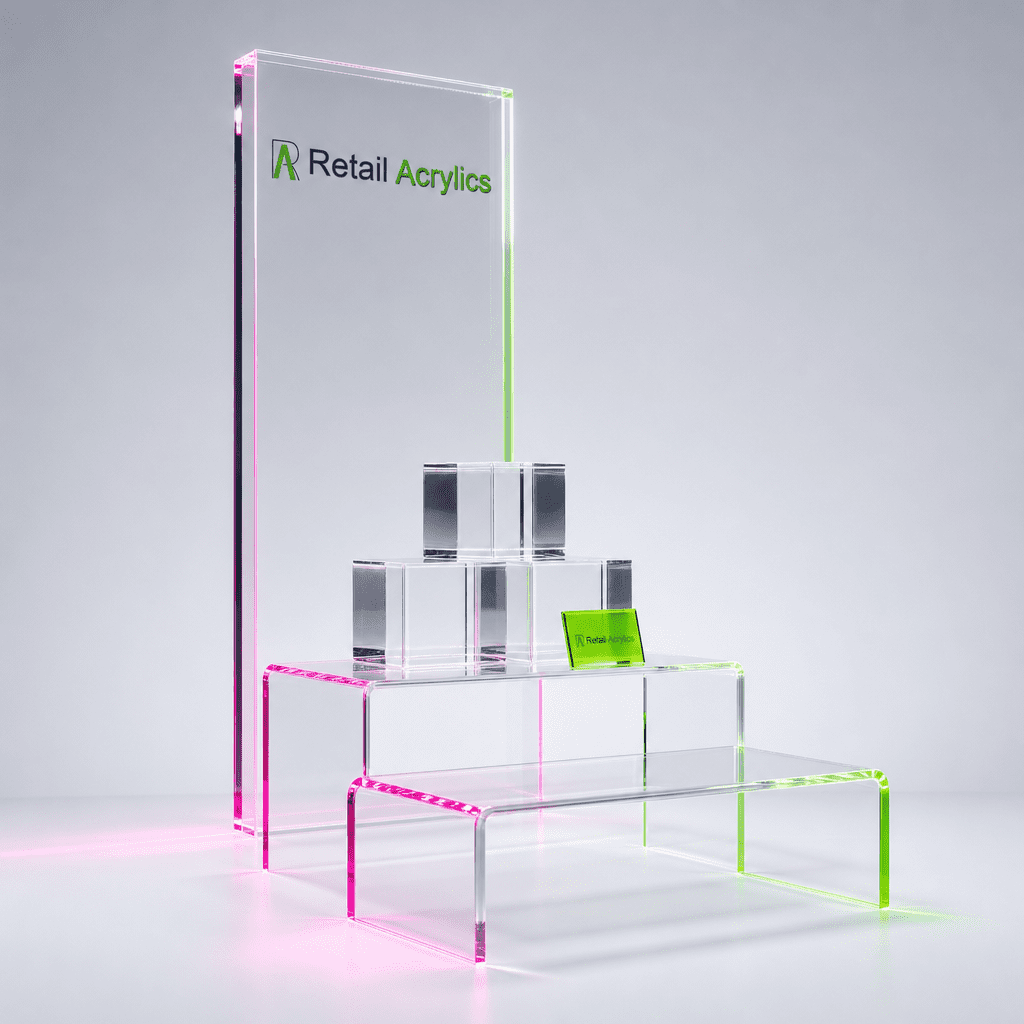
Walk into any busy retail environment and you'll notice immediately which businesses have thought carefully about their floor space and which ones haven't. Cluttered arrangements, poorly positioned products, and missed sight lines all cost sales quietly and consistently. If you're working with a compact shop floor, a market stall, or even a showroom corner, strategic product stand placement isn't a luxury consideration. It's a core part of how well your space performs.
Here's what actually works when space is at a premium.
Start with the Customer's Natural Path
Before you move a single stand, map how customers actually move through your space. In most UK retail environments, shoppers instinctively turn right upon entering and tend to move anti-clockwise around a room. This isn't universal, but it's a useful starting point.
Your highest-margin or most visually striking products should sit within that initial right-hand zone, positioned at eye level. Product stands placed too low get ignored. Anything above eye level gets noticed only if the item itself is large enough to demand attention. The sweet spot is roughly 145cm to 165cm from the floor for the primary display surface, with supporting items arranged above and below.
Once you've identified the natural customer path, you can start placing stands to guide movement rather than obstruct it.
Use Vertical Space Deliberately
One of the most common mistakes in limited retail environments is thinking horizontally. When floor space is restricted, height becomes your best friend. Acrylic pedestals and plinths are particularly effective here because they draw the eye upward, create visual hierarchy, and allow you to present fewer products with far greater impact.
A single item on a 90cm white acrylic pedestal commands significantly more attention than the same item sitting flat on a shelf among twenty others. This is especially relevant for premium products, seasonal features, or anything you want to position as a centrepiece. The clean, neutral finish of acrylic doesn't compete with the product itself, which is exactly what you want from a display solution.
If you're rotating stock regularly, pedestals and plinths with consistent heights also give you a modular system. You can rearrange the floor layout without the whole arrangement looking disjointed.
Create Zones Rather Than Categories
Traditional retail thinking groups products by type. A more effective approach for smaller spaces is to group products by customer intent or occasion. Someone browsing for a gift has different needs than someone with a specific item in mind, and your stand arrangements should reflect that.
Zone-based layouts use product stands, display cases, and acrylic cubes to visually separate areas of the shop without needing physical walls or partitions. A cluster of lockable display boxes creates a natural "premium" zone. A series of tiered product stands near the entrance creates a "new arrivals" or "featured items" feel without requiring any signage at all.
The visual cues do the work, and customers navigate more intuitively as a result.
Think About Sight Lines from the Entrance
Before a customer sets foot inside, they're already forming an impression through your window or entrance point. The sight line from the door should lead directly to something worth looking at, typically a bold product on a prominent stand rather than a wall of shelving or a cluttered mid-floor arrangement.
Clear acrylic display boxes work well in this role because they don't block the sight line behind them. A customer can see a featured product in the foreground while still getting a sense of the broader shop environment beyond. This transparency also applies to how your layout feels overall: open, uncluttered arrangements feel larger and more inviting, even in genuinely small spaces.
Keep Flow Functional, Not Just Aesthetic
Stand placement has to account for practicality as much as visual appeal. Narrow gaps between display units frustrate customers and create bottlenecks, particularly in busier periods. A general rule is to maintain at least 90cm between stands or display clusters to allow comfortable movement, including for customers with pushchairs or mobility aids.
If you're using product stands with multiple tiers or bridges, make sure the footprint is proportionate to the space around it. A large stepped display unit can work brilliantly in a central floor position, but only if the surrounding walkways remain functional.
It's also worth considering your staff. They need to access displays for restocking and rearranging. Stands that are awkward to reach or too tightly packed create operational friction that slows everything down during peak periods.
Rotate Arrangements Regularly
A static shop floor becomes invisible to repeat customers very quickly. Rotation doesn't need to be dramatic; even repositioning a key stand from one zone to another, or swapping the item on a pedestal, gives returning customers a reason to look again.
Acrylic display solutions make this easier than traditional wooden or metal fixtures because they're lightweight, modular, and consistent in appearance across different configurations. You can shift the layout for a weekend promotion or a seasonal push and then return to your standard arrangement without the whole shop looking like it's been through a refit.
If you're printing branded graphics directly onto acrylic display elements, plan for flexibility in how those pieces are used so that a branded stand from a summer promotion can still function usefully in an autumn arrangement.
The Role of Small Acrylic Accessories
It's easy to focus on the larger stand elements and overlook the smaller ones. Acrylic trays, cubes, and small display boxes are some of the most versatile tools for filling gaps in a layout, grouping complementary products, or adding a finishing layer of organisation to a busy surface.
A tray with a lid keeps small items contained and accessible without looking cluttered. A clear acrylic cube elevates a product just enough to distinguish it from surrounding items. These smaller pieces work well on countertops, within larger display arrangements, or as part of a till-point display designed to capture last-minute decisions.
Used consistently in terms of colour and material, they also create visual coherence across the entire shop floor, making the space feel considered and professional rather than assembled from whatever was available.
If you're looking to review your current display setup or invest in acrylic stands, pedestals, and display cases manufactured here in the UK, you can browse our full product range at retailacrylics.co.uk. We hold comprehensive stock with no minimum order requirement, and free UK delivery is available on orders over £150. For anything bespoke or if you'd like guidance on which products suit your specific space, get in touch directly and we'll point you in the right direction.